- Main article: Ornithology
Charadriiformes are medium-large birds that typically live near water, feeding off of invertebrates. There are about 350 species around the world. Stilts feed mainly on small aquatic animals like mollusks and crustaceans. They have long, thin necks, legs, and straight beaks, and partially webbed front toes. Most birds in this family have contrasting black and white plumage. Stilts are monogamous and lay three to four light colored eggs with dark markings. The chicks are downy and precocial. The Killdeer and the Laughing Gull are the only two birds that require knowledge of a call in 2020. However, the black-necked stilt used to require a call which can be found here.
Lapwings and Plovers (Charadriidae)
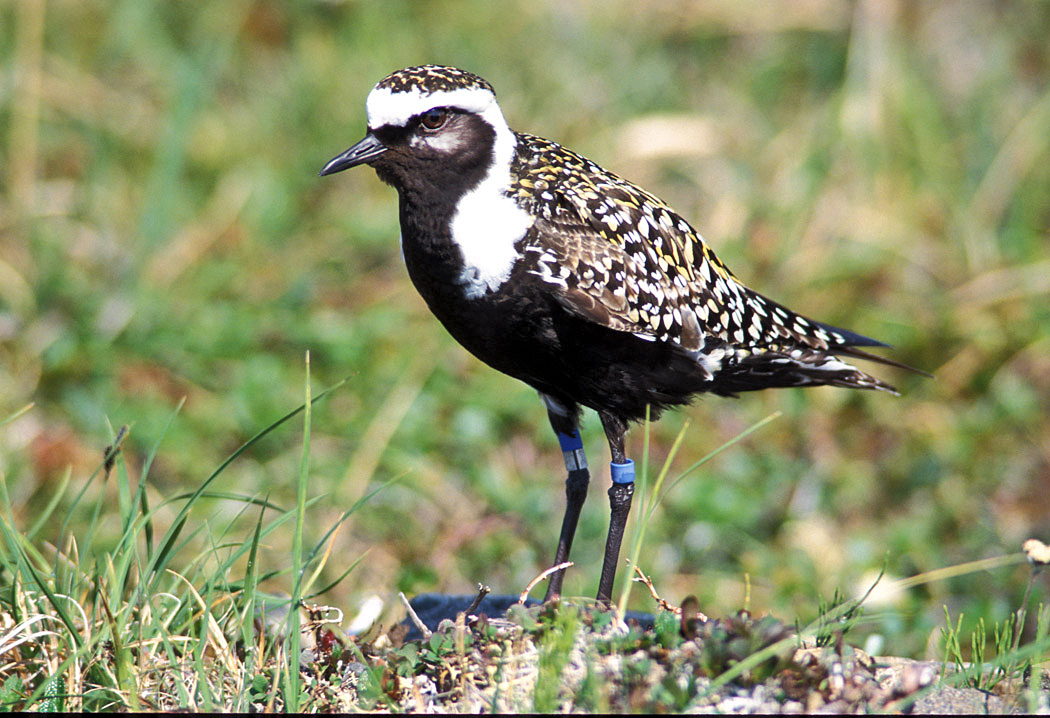
| American Golden Plover
|
|
| Species
|
Pluvialis dominica
|
| Habitat
|
Arctic tundra of Canada and Alaska
|
| Diet
|
Insects and crustaceans
|
Least concern
|
|
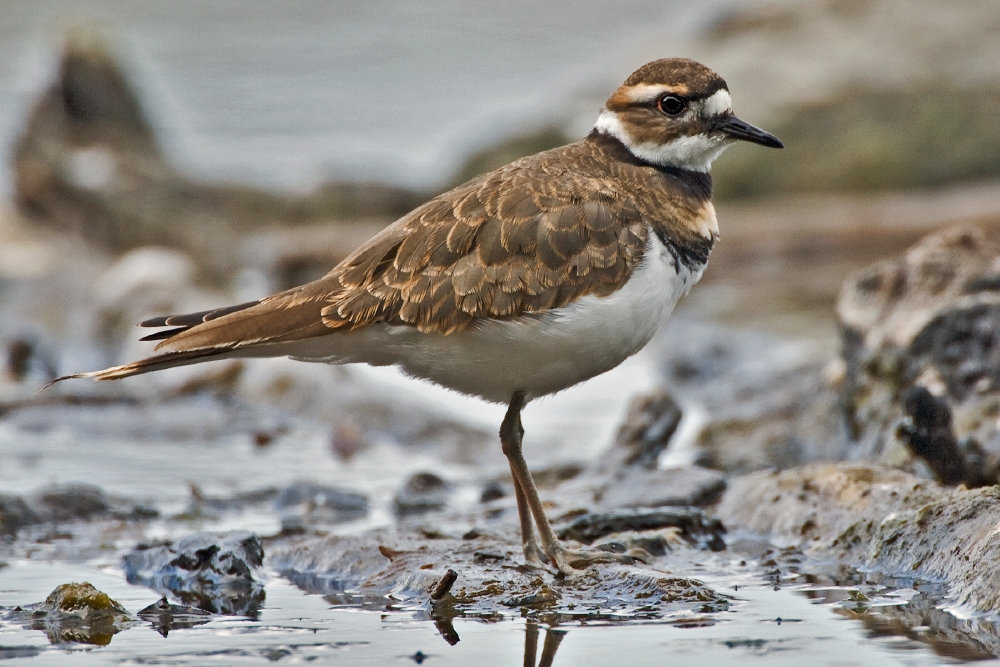
| Killdeer
|
|
| Species
|
Charadrius vociferus
|
| Habitat
|
Beaches and coastal wetlands
|
| Diet
|
Insects, occasionally other invertebrates and seeds
|
| Call
|
Link
|
Least concern
|
|
Oystercatchers (Haematopodidae)
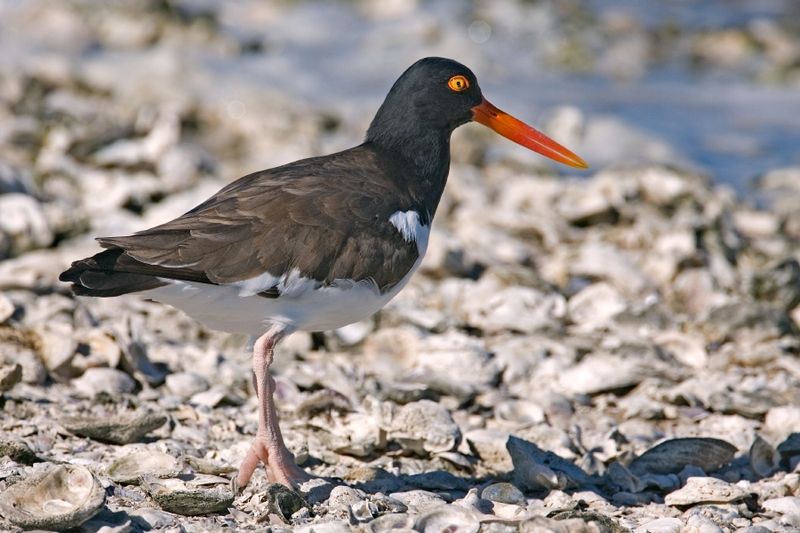
| American Oystercatcher
|
|
| Species
|
Haematopus palliatus
|
| Habitat
|
Beaches, marshes, and mudflats
|
| Diet
|
Shellfish and marine invertebrates
|
Least concern
|
|
Stilts and Avocets (Recurvirostridae)
| Black-necked Stilt
|

|
| Species
|
Charadriiformes, Recurvirostridae
|
| Habitat
|
Wetlands and coastlines
|
| Diet
|
Invertebrates, small fish, tadpoles
|
Least concern
|
|
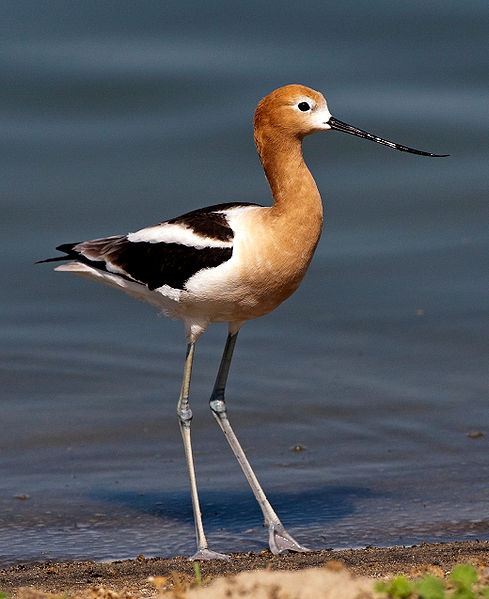
| American Avocet
|
|
| Species
|
Charadriiformes, Recurvirostridae
|
| Habitat
|
Shallow, fresh and saltwater wetlands
|
| Diet
|
Aquatic invertebrates
|
Least concern
|
|
Sandpipers, Phalaropes, and Allies (Scolopacidae)
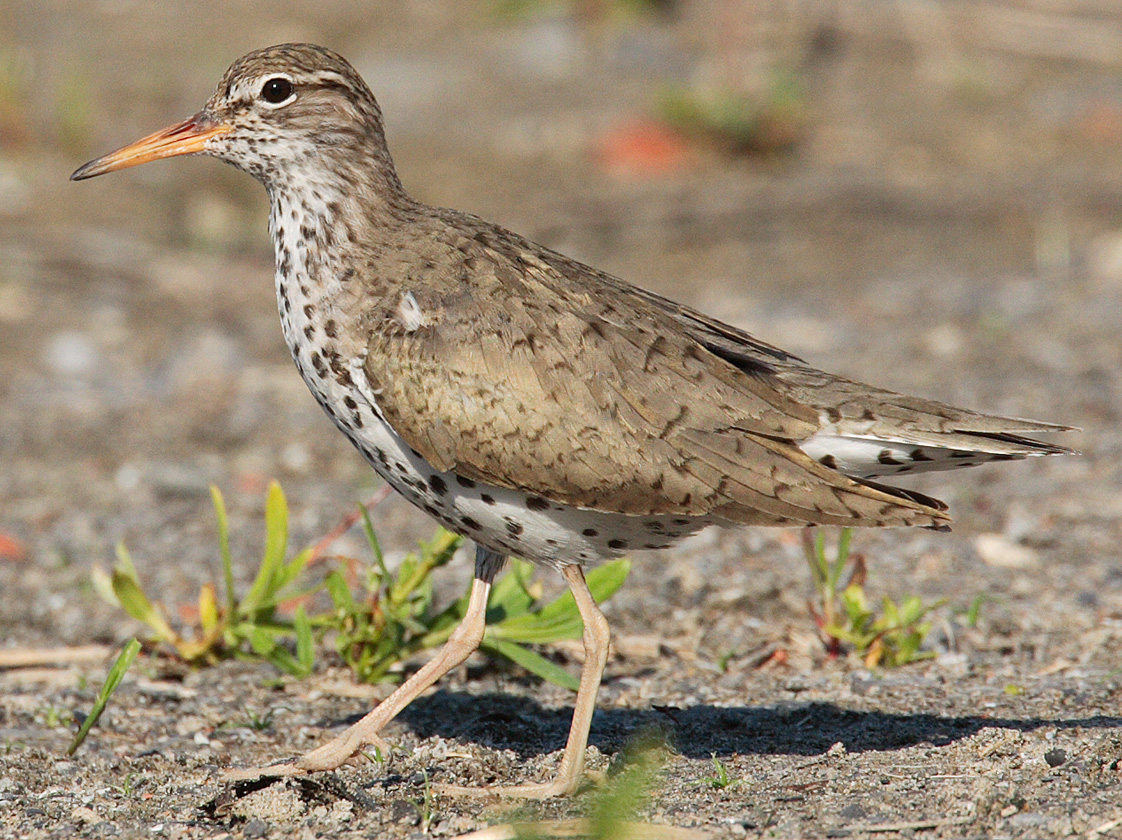
| Spotted Sandpiper
|
|
| Species
|
Actitis macularius
|
| Habitat
|
Stream banks and freshwater shores
|
| Diet
|
Insects, crustaceans and invertebrates
|
Least concern
|
|
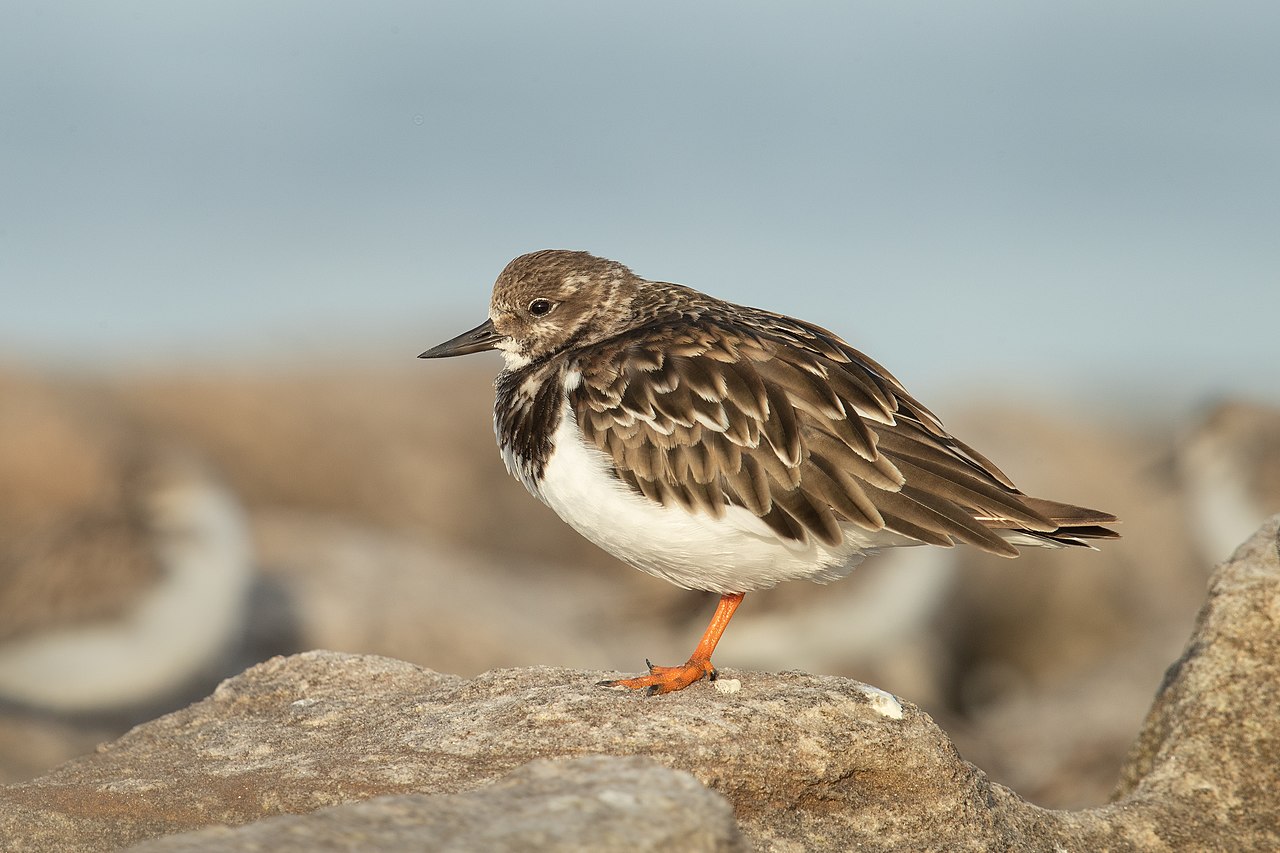
| Ruddy Turnstone
|
|
| Species
|
Arenaria interpres
|
| Habitat
|
Rocky shores or tundras
|
| Diet
|
Invertebrates
|
Least concern
|
|
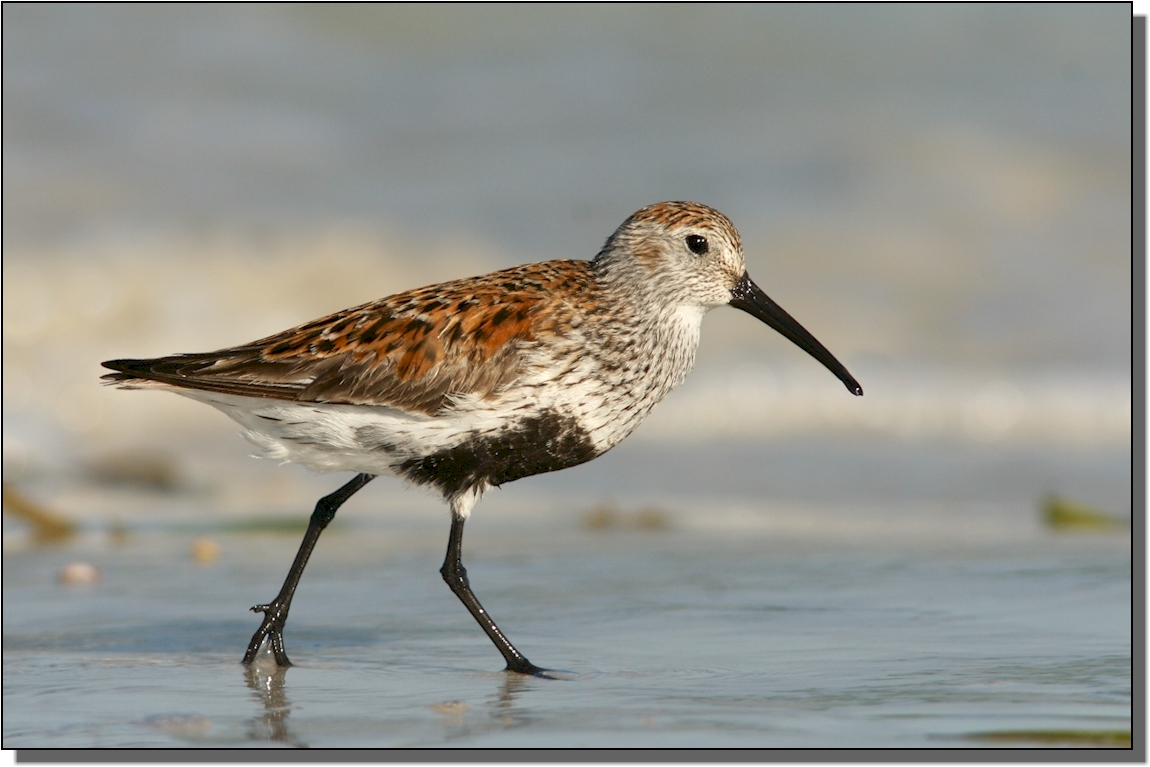
| Dunlin
|
|
| Species
|
Calidris alpina
|
| Habitat
|
Tundras and mudflats
|
| Diet
|
Insects, molluscs and crustaceans
|
Least concern
|
|
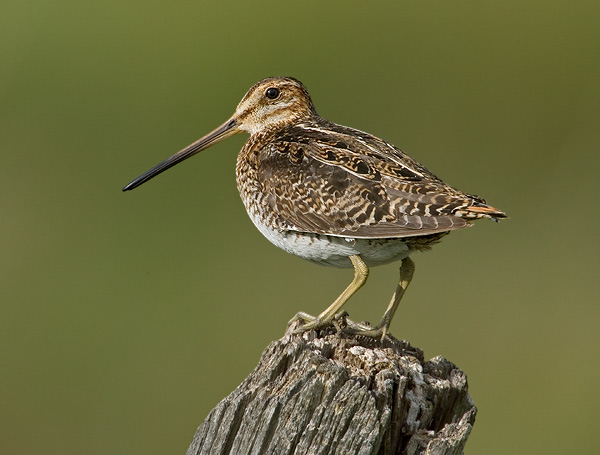
| Wilson's Snipe
|
|
| Species
|
Gallinago delicata
|
| Habitat
|
Marshes, bogs and tundras
|
| Diet
|
Insects and worms
|
Least concern
|
|
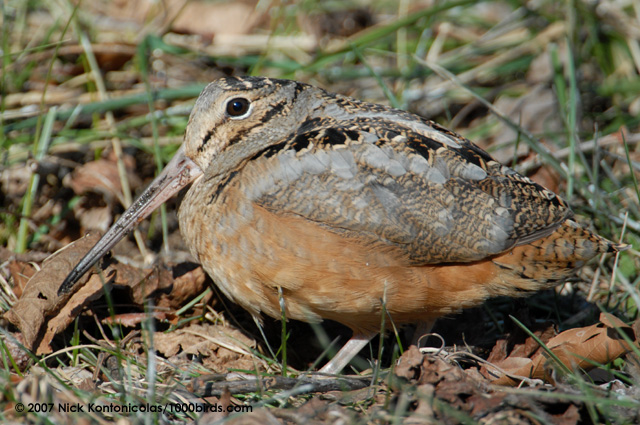
| American Woodcock
|
|
| Species
|
Scolopax minor
|
| Habitat
|
Forests
|
| Diet
|
Earthworms and other invertebrates
|
Least concern
|
|
Gulls, Terns, and Skimmers (Laridae)
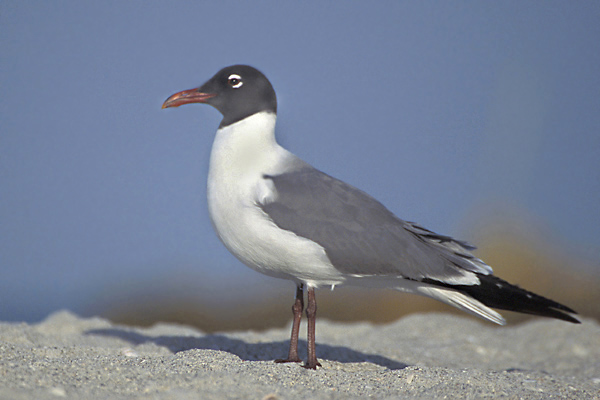
| Laughing Gull
|
|
| Species
|
Leucophaeus atricilla
|
| Habitat
|
Marshes
|
| Diet
|
Molluscs, fish, insects
|
| Call
|
Link
|
Least concern
|
|
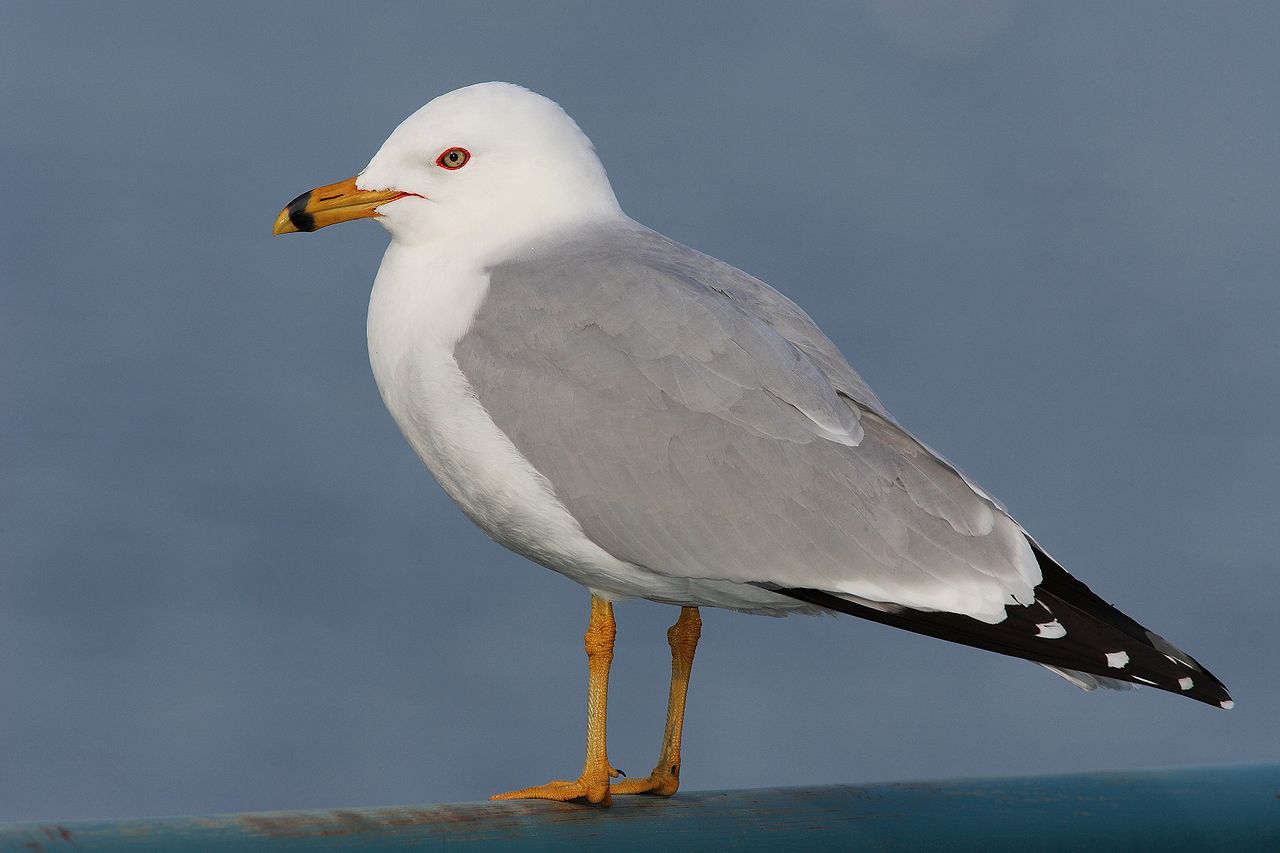
| Ring-billed Gull
|
|
| Species
|
Larus delawarensis
|
| Habitat
|
Lakes, rivers and coasts
|
| Diet
|
Insects, fish, grain
|
Least concern
|
|
| Herring Gull
|
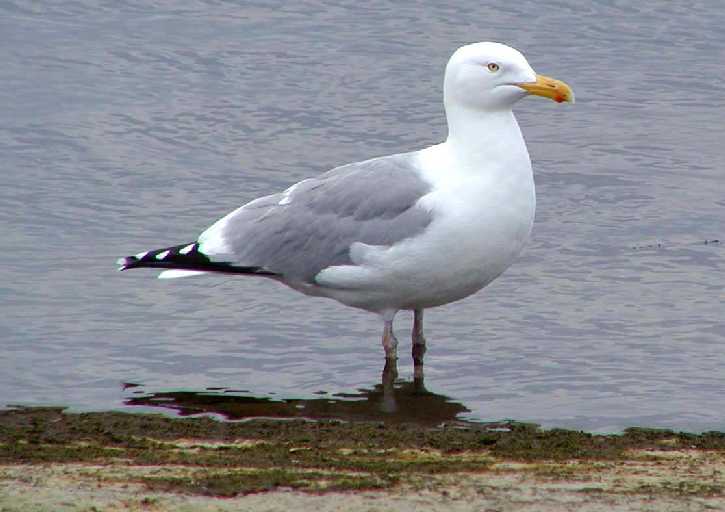
|
| Species
|
Larus argentatus
|
| Habitat
|
Beaches, marshes and mudflats
|
| Diet
|
Fish and crustaceans
|
Least concern
|
|
| Least Tern
|

|
| Species
|
Sternula antillarum
|
| Habitat
|
Coasts, beaches, estuaries
|
| Diet
|
Small fish
|
Least concern
|
|
| Caspian Tern
|
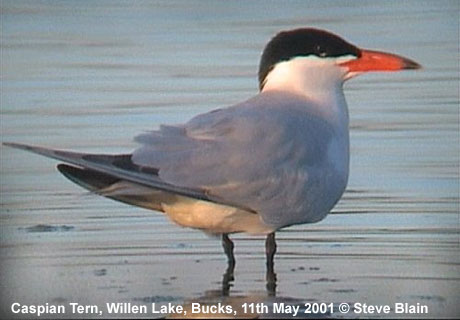
|
| Species
|
Hydroprogne caspia
|
| Habitat
|
Lakes and ocean coasts
|
| Diet
|
Fish
|
Least concern
|
|
| Black Tern
|
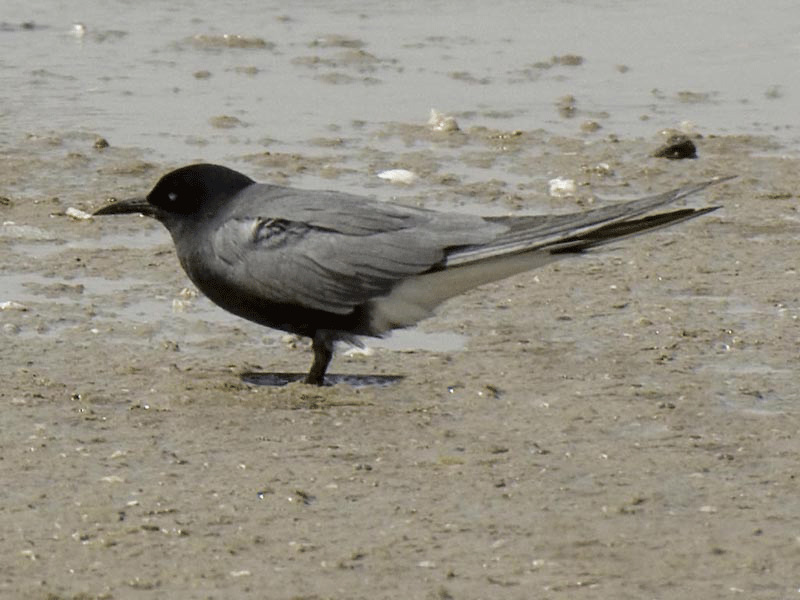
|
| Species
|
Chlidonias niger
|
| Habitat
|
Freshwater marshes
|
| Diet
|
Insects and fish
|
Least concern
|
|
| Black Skimmer
|
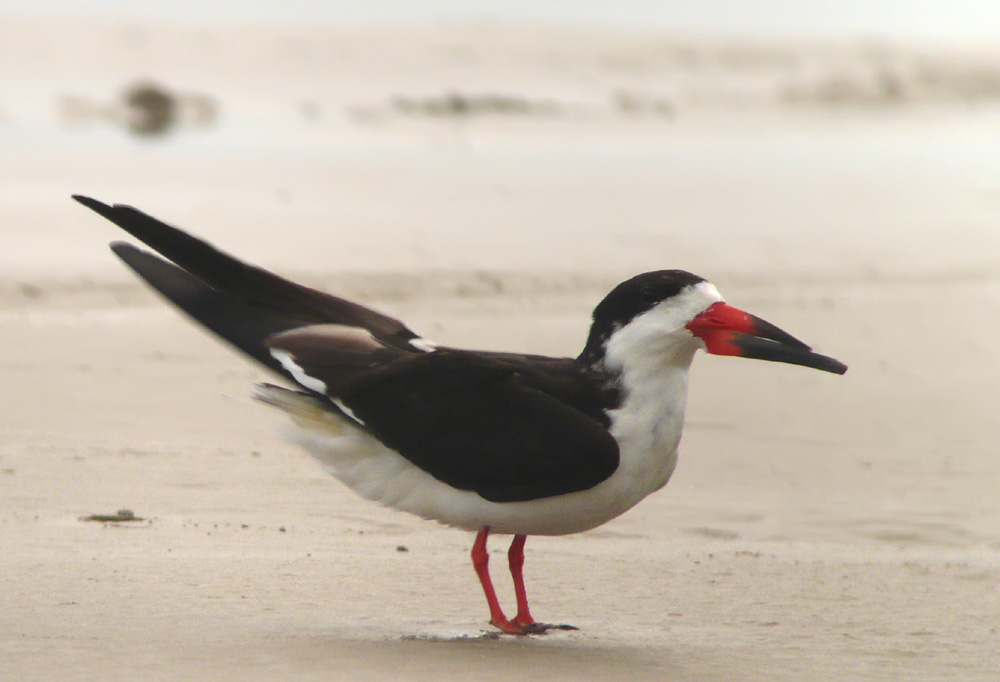
|
| Species
|
Rynchops niger
|
| Habitat
|
Rivers, coasts and lagoons
|
| Diet
|
Small fish, insects, crustaceans
|
Least concern
|
|
Auks, Murres, and Puffins (Alcidae)
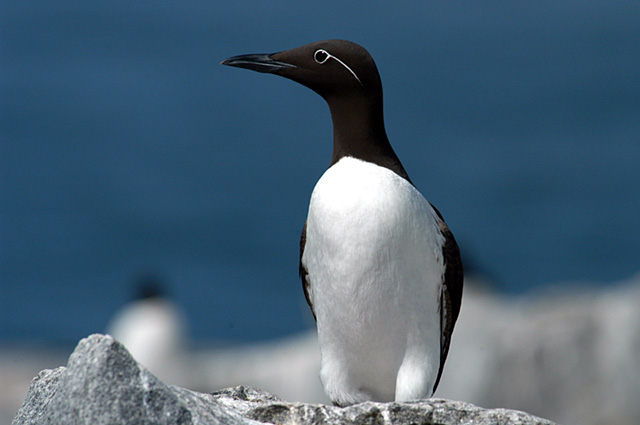
| Common Murre
|
|
| Species
|
Uria aalge
|
| Habitat
|
Islands, rocky shores, cliffs
|
| Diet
|
Small fish, molluscs, worms
|
Least concern
|
|
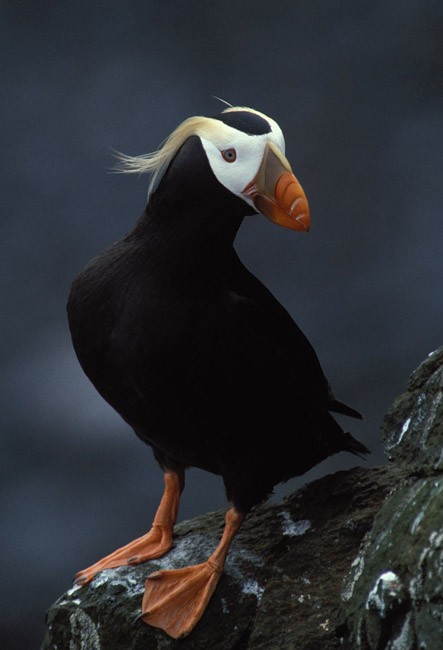
| Tufted Puffin
|
|
| Species
|
Fratercula cirrhata
|
| Habitat
|
Island coasts
|
| Diet
|
Fish and marine invertebrates
|
Least concern
|
|