I completely forgot I did this! Sorry for the delay.
Image:
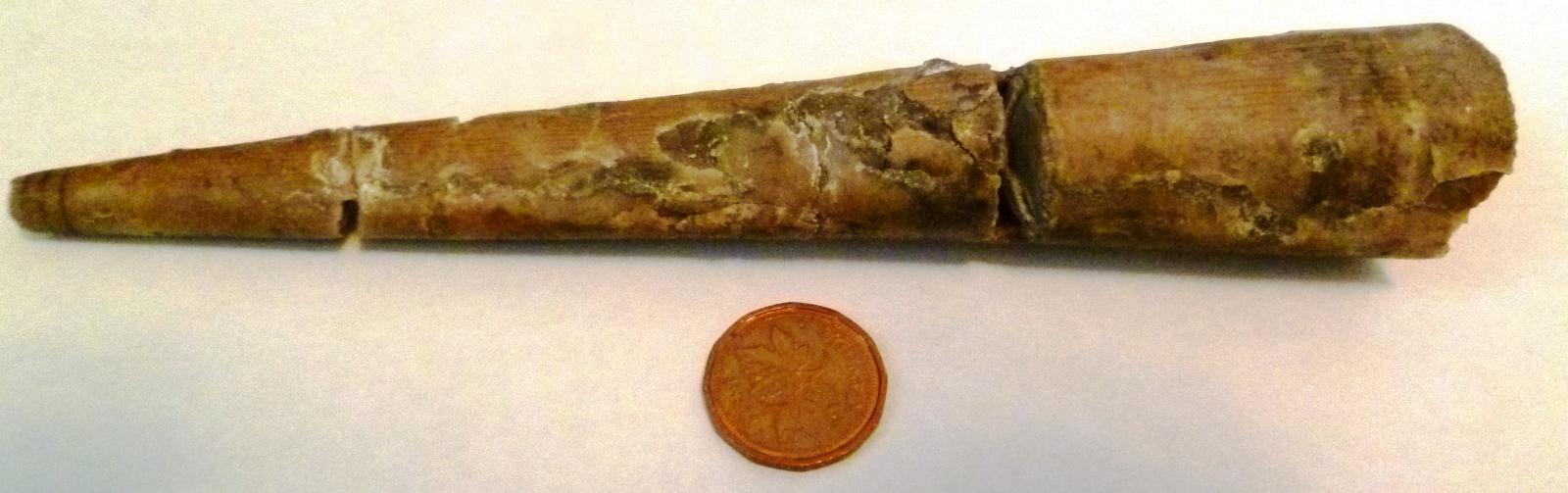
1. What does the scientific name of this specimen mean?
2. This specimen is generally understood to be a polyphyletic group. What's a polyphyletic group?
3. How did this specimen move around?
Re: Fossils B/C
Posted: January 22nd, 2021, 10:32 am
by thegroundsloth
1.
Straight horn
2.
meaning that they have similar physical traits but do not have a common anscestor i think
3.
jet propulsion
Re: Fossils B/C
Posted: January 22nd, 2021, 8:22 pm
by DragonTownEpic
Yes! Your turn.
Re: Fossils B/C
Posted: January 23rd, 2021, 1:21 pm
by thegroundsloth
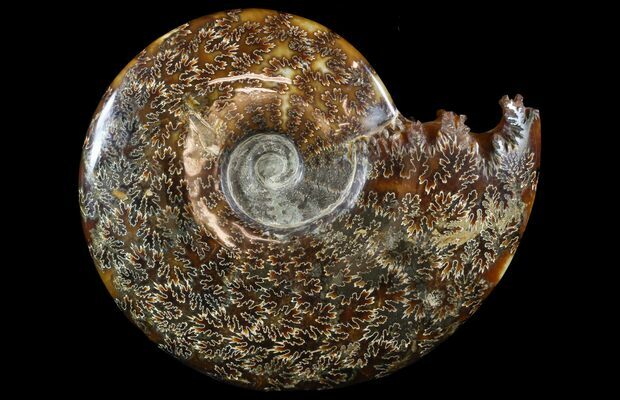
1. Identify this fossil(including the type of suture lines)
2. does this organism exhibit sexual dimorphism, if so describe it in detail
3. why did these organisms go extinct while their relatives(now considered living fossils) did not?
Re: Fossils B/C
Posted: January 23rd, 2021, 5:51 pm
by hmmm
thegroundsloth wrote: ↑January 23rd, 2021, 1:21 pm
1. Identify this fossil(including the type of suture lines)
2. does this organism exhibit sexual dimorphism, if so describe it in detail
3. why did these organisms go extinct while their relatives(now considered living fossils) did not?
1. Ammonitida
2. yes, males(aka microconchs) are smaller than females(aka macroconches)
3.lived in shallower water(more heavily affected by ocean acidificiation) and narrower geographic distribution than Nautilus
Re: Fossils B/C
Posted: January 23rd, 2021, 6:04 pm
by thegroundsloth
Nice! for the last one another answer i was thinking of could be ammonite juveniles are much smaller than nautilus juveniles so would have been more susceptible to ocean acidification your turn
Re: Fossils B/C
Posted: January 30th, 2021, 4:26 pm
by thegroundsloth
Its been a week so I guess I should just post another set of questions:
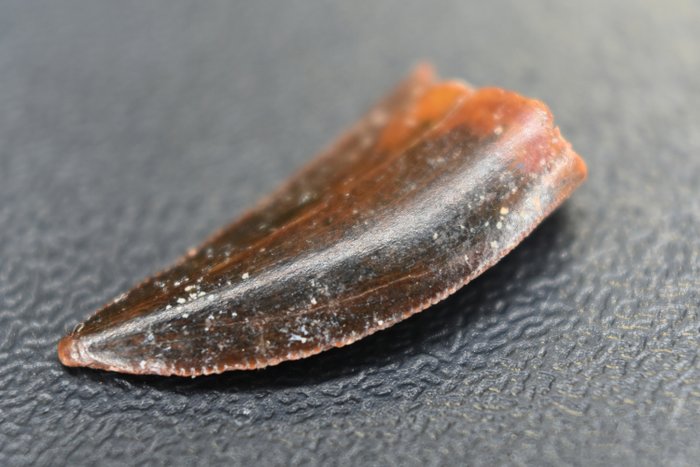
1. ID
2. Are they nocternal or diunernal, how can you tell?
3. Herd behavior?, list evidence:
Re: Fossils B/C
Posted: February 9th, 2021, 10:47 am
by Ttonyxx
thegroundsloth wrote: ↑January 30th, 2021, 4:26 pm
Its been a week so I guess I should just post another set of questions:
1. ID
2. Are they nocternal or diunernal, how can you tell?
3. Herd behavior?, list evidence:
1. Coelophysis
2. Diurnal, can tell from its sclerotic rings
3. Yes, found in packs at Ghost Ranch
Re: Fossils B/C
Posted: February 12th, 2021, 1:36 pm
by thegroundsloth
I think I used a pic of a velociraptor tooth but they are very similar. Your turn!
Re: Fossils B/C
Posted: February 13th, 2021, 8:38 am
by Ttonyxx
Alright, here we go:
1) What genus does the fossil above belong to?
2) What does the name of this genus mean?
3) What part of the organism is this fossil?
4) What was the body temperature of this organism and how were researchers able to calculate that value?